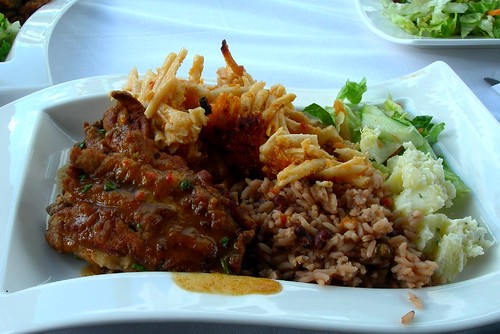
A valid medical certificate is a must for stall owners and food handlers dealing with the preparation and sale of food at Crop Over events.

This reminder comes from the Chief Environmental Health Officer (Ag), Desmond King, who is also advising individuals that the certificate should be presented on the request of the Environmental Health Officer.
The advice is part of guidelines, developed by the Environmental Health Division to ensure that operators and their assistants maintain proper hygiene practices when serving the public, whether at Bridgetown Market, Cohobblopot, or Kadooment.
When serving food stall owners and assistants must wear head covering or hair restraints; no nail polish should be worn and nails should be trimmed and kept clean and no jewellery should be worn on the hands or around the neck.
Food handlers are also reminded that no sleeveless tops or vests should be worn when preparing or serving food; that light and single coloured shirts, tops or aprons should be worn and smoking is prohibited in food stalls.

The Environmental Health Division is also advising that food handlers be free of infected burns, boils, cuts or respiratory illnesses. They should wash their hands frequently and thoroughly (particularly before beginning work, after handling raw foods & after using the toilet) in order to prevent the contamination of food. Food handlers should use disposable paper towels and never wipe hands on aprons or clothing.
 The chewing of gum or eating while preparing or serving food is also prohibited and the Division is suggesting that food handlers refrain from picking the nose, touching pimples and scratching the head or face.
Guidelines for the handling and storage of food should be adhered to at all times during this year’s Crop Over events.
Mr King is warning stall owners and food handlers that they must cooperate fully with the Environmental Health Officer and comply with the Health Services Food Hygiene Regulations (1969 CAP. 44).
The penalty for violating the Regulations is a fine of $5,000 and, or imprisonment for 12 months.
There are several food handling and storage guidelines, which have been developed by the Environmental Health Division.
Individuals are reminded that they should store all foodstuff and water at least 18 inches from the ground; food and potable water must be stored in clean, covered containers and water storage containers should be fitted with taps.
Raw and prepared foods should be stored properly, for instance in covered containers, and they should be stored separately. Raw meat and meat products must be stored in small parcels.
According to the Division, all potentially hazardous foods including meat, chicken, fish and sausages, must be stored between layers of ice so as to keep the food at or below 40ºF.
There should be a constant supply of ice, and ice used for the storage of meat, fish or drinks, must not be used in the drinks when serving.
In addition, food handlers and assistants should never store or drag ice on the ground. When serving ice, scoops should be used, and the handle must never come in to contact with the ice.
Only wholesome canned foods should be used. Contents should be removed from the can immediately after opening or piercing, particularly in the case of high acid foods, such as fruit juices and sauces. Egg should not be used in batters and fish cake batters should not be stored in large containers (e.g. five gallon pails) but rather in containers small enough to be kept at a temperature of less than 40ºF.
 Food handlers should not prepare large amounts of food unless there is provision to keep the food at or above 140º F or below 40ºF. They should use tongs when serving food (hands should not be used to serve food). All equipment and implements should be kept clean and sanitised.
Clean glasses or cups must be picked up by their bases but stall owners should consider the use of disposable cups and plates. Operators are further reminded that they should not touch the food contact surfaces of plates, and forks with their hands and should clean and sanitise knives and other utensils when switching from one product to another (for instance raw chicken to bread) to prevent cross contamination.